
From first families to first trials
Julie van der Zee (VIB-UAntwerp Center for Molecular Neuroscience) on biobanking, trust, and the long road from discovery to intervention.

While the food industry grapples with the compromises of plant-based alternatives and the distant promise of lab-grown meat, a Brazilian scaleup is brewing a practical solution. Using fermentation processes to grow protein in just 24 hours—protein that can blend seamlessly into existing foods—Typcal’s bet is simple: instead of forcing dramatic changes, make regular food a little more sustainable and a little more nutritious.
In 2021, Paulo Ibri felt a sense of disillusionment with the industry he had so enthusiastically joined a few years earlier. After launching his own plant-based meat company a few years earlier, he watched the sector chase scale at the expense of what mattered. “I felt the plant-based industry went down a different path, especially in terms of healthiness. The products emerging were often loaded with fat and sodium and a long list of ingredients that were barely better nutritionally than the meat they sought to replace,” he says.
Lab-grown meat seemed promising in theory, but Ibri’s business instincts told him it was a dead end. “You can’t tell a consumer to stop buying real meat and instead buy lab meat that is ten times more expensive,” he explains. In his home country of Brazil, where quality beef costs just $5-6 per kilo, the math simply didn’t work.
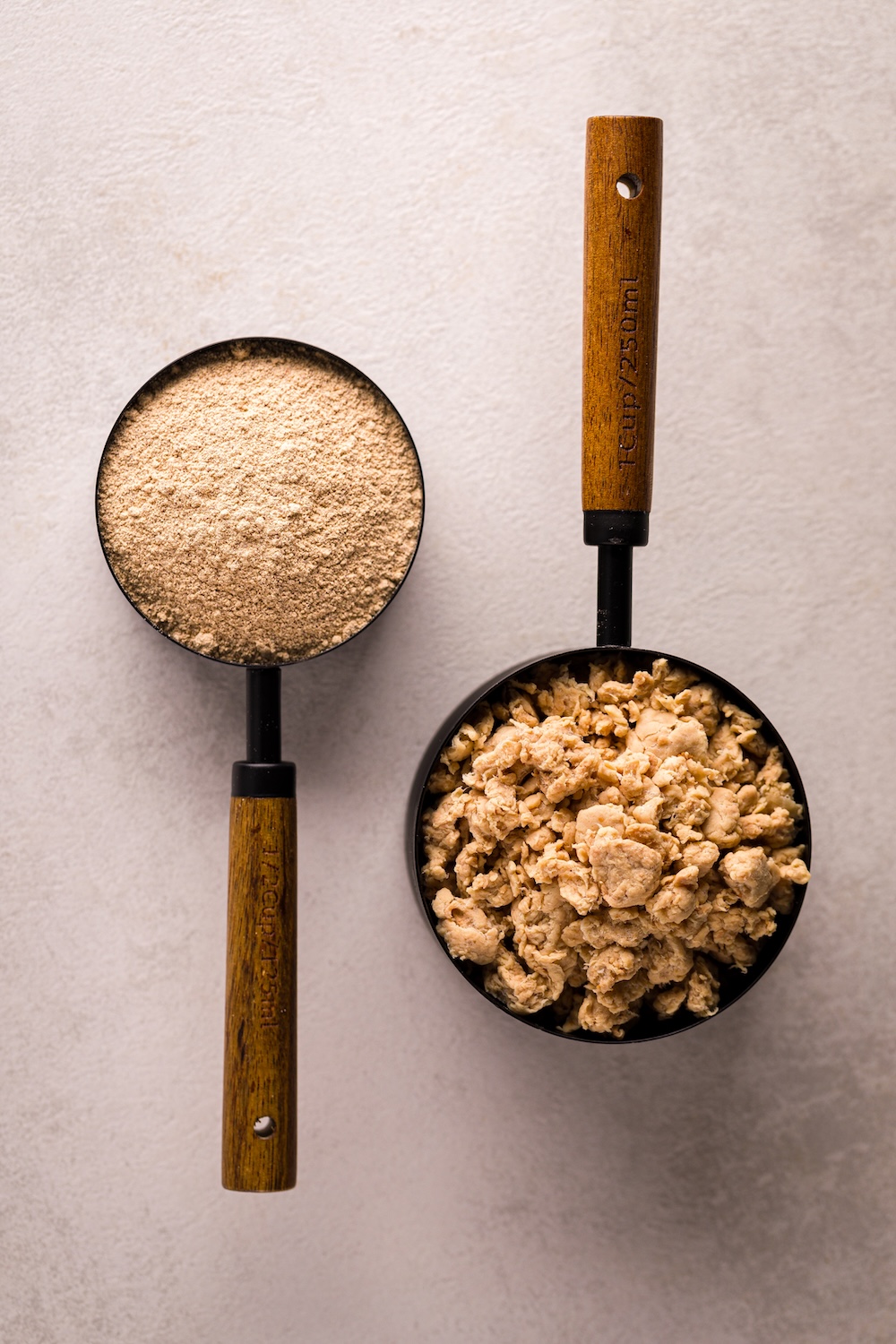
So Ibri started looking for a third path. What he found was mycelium, the underground network that mushrooms grow from. “To some people, I say we are ‘brewing’ mycelium. Then they can visualize it, like beer in a brewery with fermenters,” he explains.
Meanwhile at the Federal University of Paraná, biotechnology professor Eduardo Sydney was expressing his own restlessness. He’d been working with mycelium for packaging but was keen on trying something in the food industry—an industry he simply didn’t know much about.
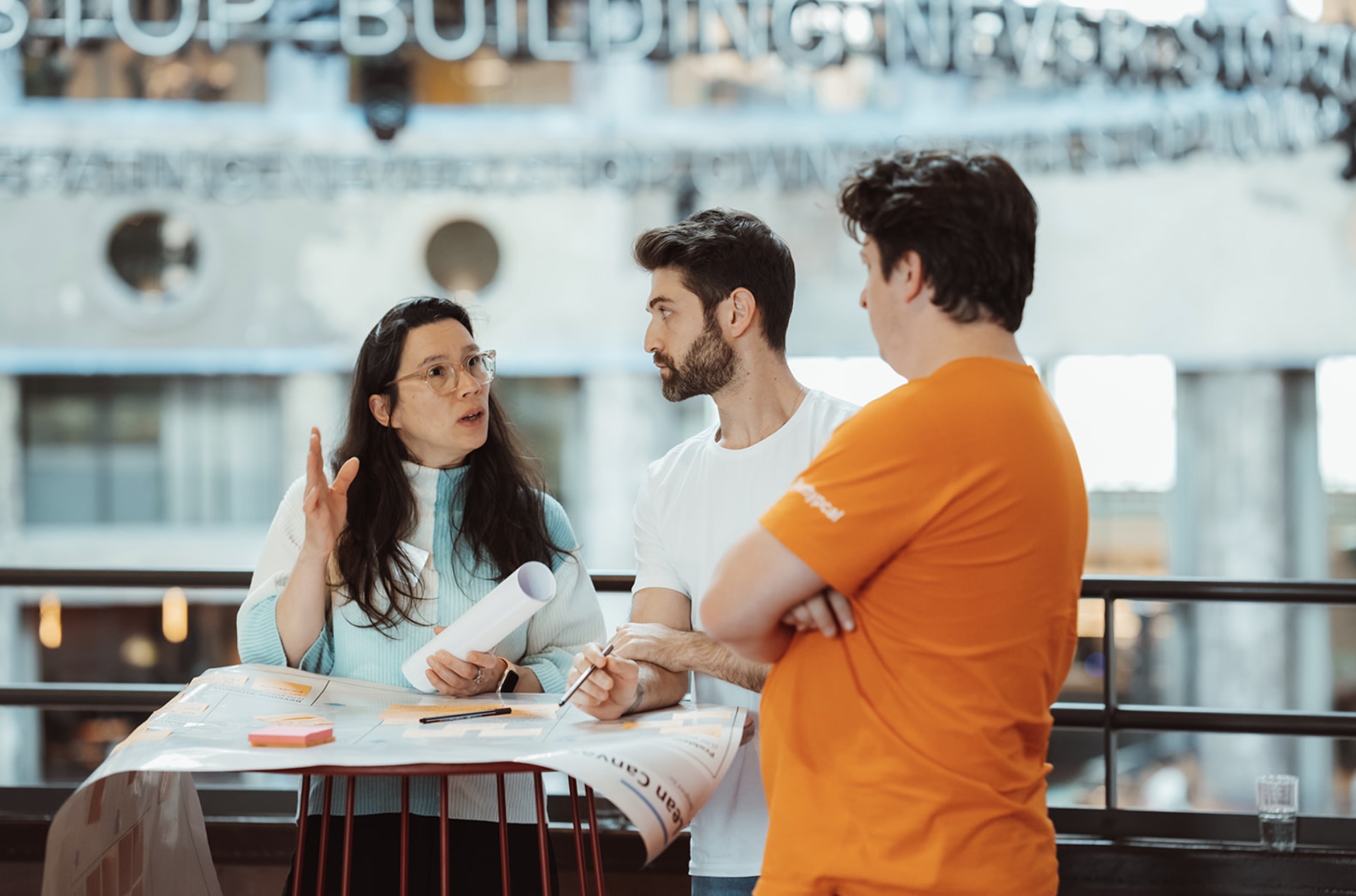
When their mutual investor realized he was talking to two halves of the same idea, the introduction was inevitable. “From the first meeting, everything went very well, and we decided to join forces,” Ibri says. It was February 2021, and Typcal was born from the recognition that breakthrough innovations require both technical depth and market savvy.
“If we get everyone to reduce their meat consumption by 5%, we’ll have a much bigger impact than any plant-based company trying to eliminate meat from one’s diet.”

Julie van der Zee (VIB-UAntwerp Center for Molecular Neuroscience) on biobanking, trust, and the long road from discovery to intervention.


Giovanni Maglia reflects on the future of next-generation proteomics and the challenges of de novo protein sequencing.

We secured media coverage on new trial results from a biotech company.

Get notified about new articles, Tips & tricks and other opportunities.